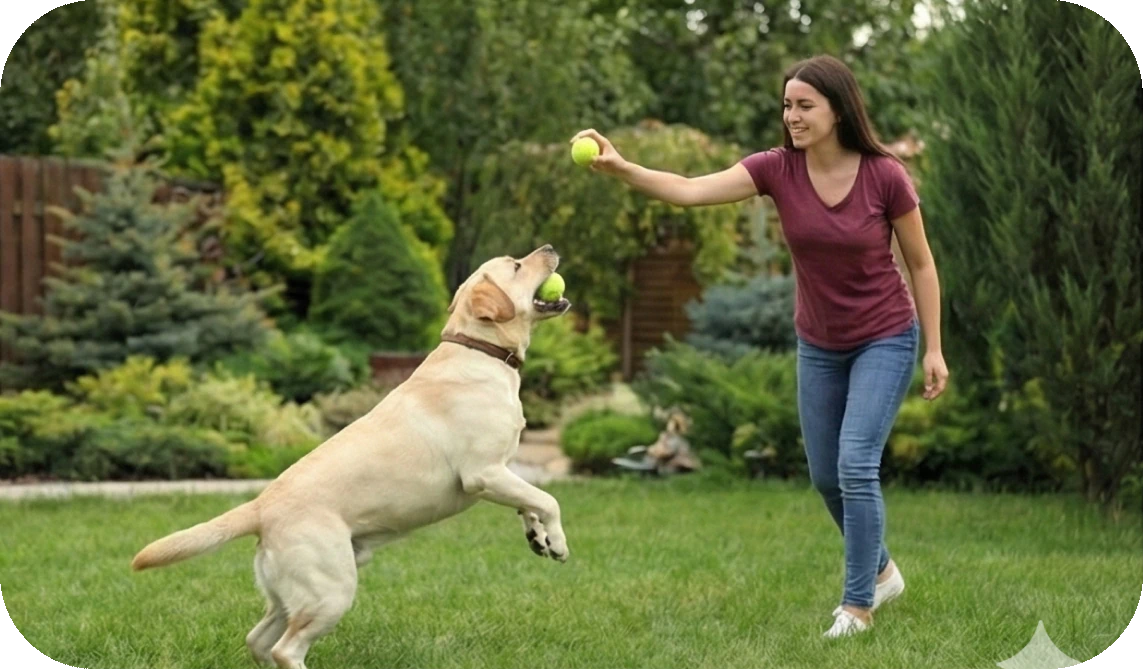
How to Train Your Dog to Play
There are several reasons why a dog may not naturally engage in play with humans. For instance, dogs raised in kennels for breeding purposes might lack positive human interaction, rescue dogs could have had negative experiences with previous owners, and some puppies are naturally timid. If your dog or puppy appears reluctant to interact, a gradual and gentle socialization process can help build trust. Once your pet feels at ease with you, it will be more open to playing and enjoying itself.
The Value of Play
While not all dog owners prioritize playfulness, engaging in play with your dog has numerous benefits:
- Play provides mental stimulation and helps dogs expend energy.
- It strengthens the bond between you and your dog.
- It's an effective reward during training.
- Play enhances a dog's life quality by adding enjoyment.
Start Slowly
Patience is crucial in this process, as building trust and teaching appropriate play behavior can take time. It's important to establish clear rules and expectations for interaction to avoid confusion.
Reward Interest
A lack of socialization or different natural instincts, like a border collie's herding drive, can be reasons why a dog doesn't play. Start by familiarizing your dog with toys and simple games without overwhelming them. Reward any interest in toys to create positive associations.
Engaging Your Dog in Play
Once your dog is comfortable with toys, begin to interact more directly, starting with simple actions like rolling a ball or gently tugging a toy. Reward interest with treats and praise to reinforce engagement.
Teach the Rules
Teaching your dog to play might involve basic commands like "come" and "drop it" to facilitate games like fetch. Ensure your dog understands these commands to prevent play from turning into a chase.
Selecting Suitable Games
Choose games that align with your dog's breed and personality. For example, retrievers may enjoy fetch, terriers might like tug-of-war, and herding breeds could excel in agility or Frisbee.
Problems and Proofing Behavior
To ensure your dog maintains its play skills across different settings and with various people, gradually introduce it to new environments and players. If your dog struggles, revisit training steps and reinforce commands.
Patience and consistency are key. Progress might be slow, but with time, your dog will learn to trust and enjoy playing with you.