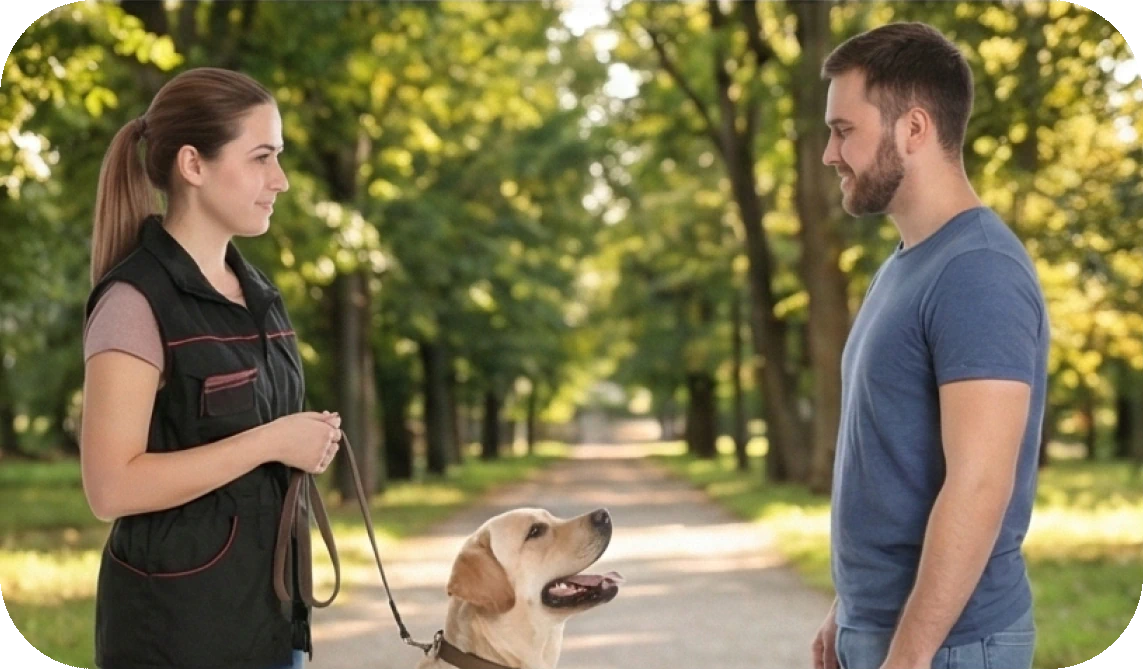
Help Your Dog Get Over Its Fearing Strangers
Dogs may exhibit extreme fear towards strangers, manifesting as cowering, trembling, or seeking refuge. Ideally, dogs would greet new people with friendliness rather than fear. Understanding the root causes of your dog's fear is essential for helping them overcome it.
Reasons for Fear
Several factors can contribute to a dog's fear of unfamiliar people:
- Genetics: Some dogs are naturally more timid and may pass this trait to their offspring, making them inherently more fearful of strangers.
- Lack of Socialization: Puppies that aren't exposed to a variety of people during their formative weeks may develop a fear of unfamiliar individuals.
- Past Abuse: Dogs with a history of mistreatment may be particularly wary of strangers, associating them with previous negative experiences.
Easing the Fear
It's crucial to approach a dog's fear of strangers with caution and understanding. Dogs can react differently to fear; while some may hide, others could become aggressive. A patient and consistent approach is often required to teach a dog not to fear strangers.
- Stay Calm: Your dog can pick up on your emotions. Remain calm and positive when introducing your dog to new people to help ease their anxiety.
- Don't Force Interactions: Avoid pushing your dog to interact with strangers, especially if they're showing signs of discomfort. This could lead to fear-based aggression.
- Consult a Professional: If your dog's fear leads to aggressive behaviors like growling or snapping, seeking advice from a certified dog behaviorist can be beneficial.
Prepare New Visitors
When expecting guests, it's helpful to have them ignore your dog initially to avoid overwhelming it. Offering treats can create a positive association with new people. If your dog is particularly fearful of certain individuals, like men or children, tailor your approach to make your dog more comfortable.
Keep Things Stress-Free
Ensure your dog has a secure area where it can retreat if feeling overwhelmed. This could be a quiet room or a crate. Making this space comforting with items like a thunder shirt or calming pheromones can also be beneficial.
Veterinary Consultation and Training
Discussing your dog's fears with a veterinarian is important, as they can offer strategies or recommend medications. Obedience training can also aid in managing fearful behaviors, providing your dog with confidence and reducing stress.
Certified dog trainers can offer objective advice and tailor training plans to your dog's needs, potentially including desensitization techniques or even the use of a basket muzzle for safety during training.
Patience and Professional Guidance
Managing a dog's fear of strangers requires patience, understanding, and sometimes professional help. Early intervention with a trainer and consultation with a veterinarian or a veterinary behaviorist can significantly improve your dog's quality of life and ensure the safety of both your pet and others.